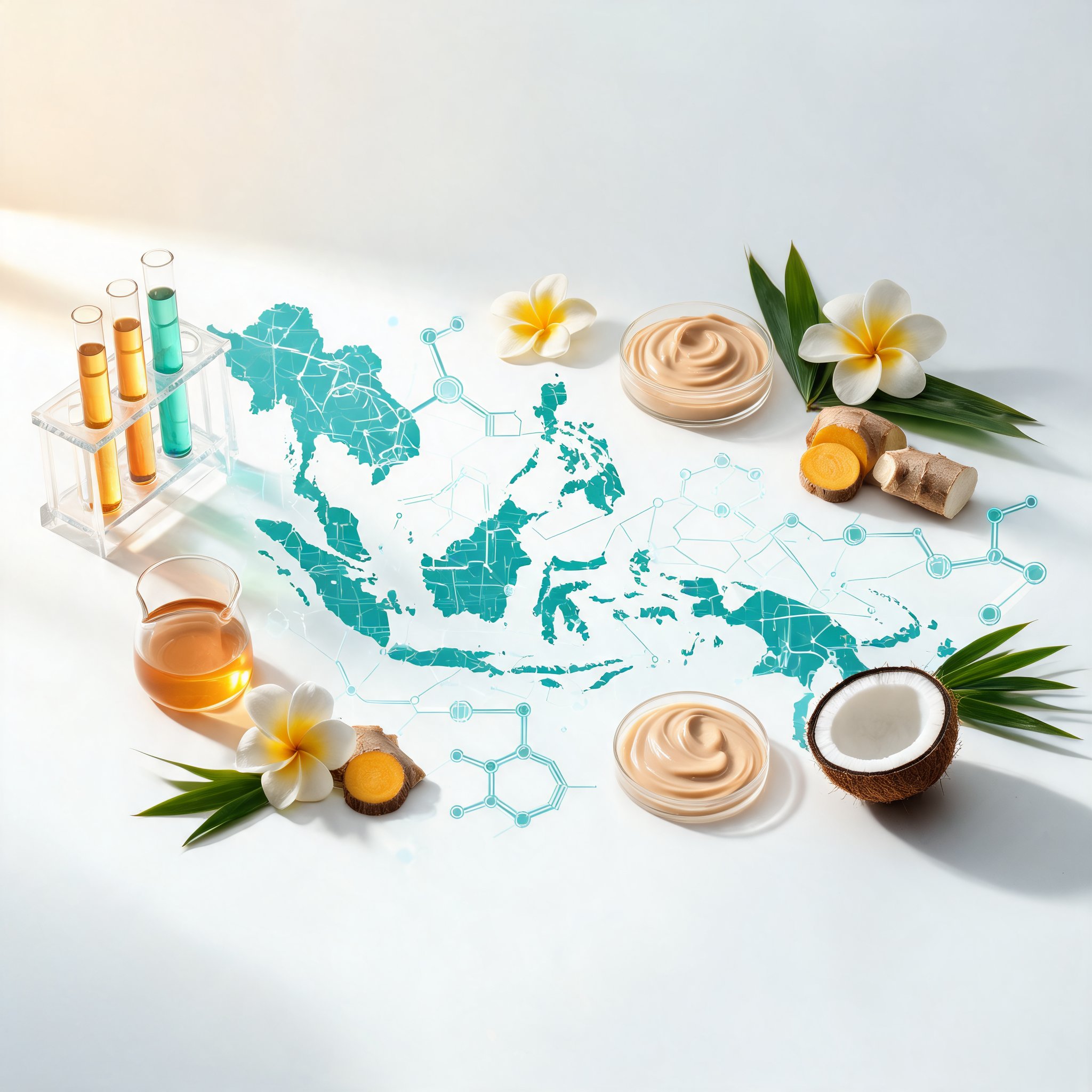
BASF and ParagonCorp have signed a non-binding, non-exclusive memorandum of understanding to explore collaboration on science-backed cosmetic innovation in Indonesia.
The agreement creates a framework for joint research and development. ParagonCorp, described as Indonesia's largest personal care company, is the first beauty company in the country to sign an MoU with BASF's Personal Care business.
Global formulation science meets local consumer insight
Under the planned collaboration, BASF would contribute capabilities in ingredient and formulation science and global research. ParagonCorp would contribute its local understanding of consumers and product development. The companies said they would use these combined strengths to explore novel cosmetic concepts founded on scientific advances.
Chang Wang, vice president of business management for Personal Care, Asia Pacific at BASF, said innovation is most meaningful when it stays close to consumers. He said combining science with a deeper understanding of evolving expectations could unlock possibilities that make personal care more relevant.
Sari Chairunnisa, deputy CEO and chief R&D officer at ParagonCorp, said the company believes innovation must begin with an understanding of consumer needs and continue to evolve through science-based approaches. She described ParagonCorp as a purposeful beauty technology company.
Indonesia's cosmetics market is expanding
The agreement comes as Indonesia's cosmetics industry draws attention from local companies and the government. The Ministry of Industry reported that cosmetic exports rose 13.7% to US$473.8 million in 2025, up from US$416.8 million the year before.
The ministry has increased support for small and medium enterprises in personal care to improve their competitiveness and open more doors to international markets. SMEs make up the bulk of the domestic cosmetics industry.
Domestic offerings are also widening. ParagonCorp subsidiary Wardah launched Wardah Skinverse 2026: Skin Longevity Clinic, which was described as Indonesia's first holistic skin longevity clinic.
Halal rules shape the operating environment
As the sector strengthens, the Indonesian government is tightening its regulatory framework. It is introducing mandatory halal requirements under which all cosmetics must carry halal certification or a clear non-halal label. The government extended the compliance deadline by two years to October 2028, giving the halal ecosystem time to prepare and businesses more certainty.
For BASF and ParagonCorp, the MoU is an exploratory R&D framework rather than a completed product launch or a binding supply agreement. Because it is non-binding and non-exclusive, it does not commit either company to a specific project, volume or commercial outcome. Any products would depend on further development and on meeting Indonesia's regulatory requirements.